
AISep 29, 2026The Verge
Protesters gather at OpenAI’s DevDay
Labor, tech-worker, and community groups rally at Fort Mason over ICE contracts, data centers, and concentrated AI power as DevDay opens.
Desk
Robots, embodied AI, and automation hardware.
Labor, tech-worker, and community groups rally at Fort Mason over ICE contracts, data centers, and concentrated AI power as DevDay opens.

NVIDIA’s Hugging Face walkthrough moves an SO-101 arm from classic MuJoCo into as many as 2,048 parallel MuJoCo Warp environments — GPU batch sim without rewriting the robot.

Microsoft Research challenges the onboard-GPU orthodoxy in robotics: offloading inference to edge or cloud GPUs improved task success, unlocked larger models, and stretched battery life in their study.
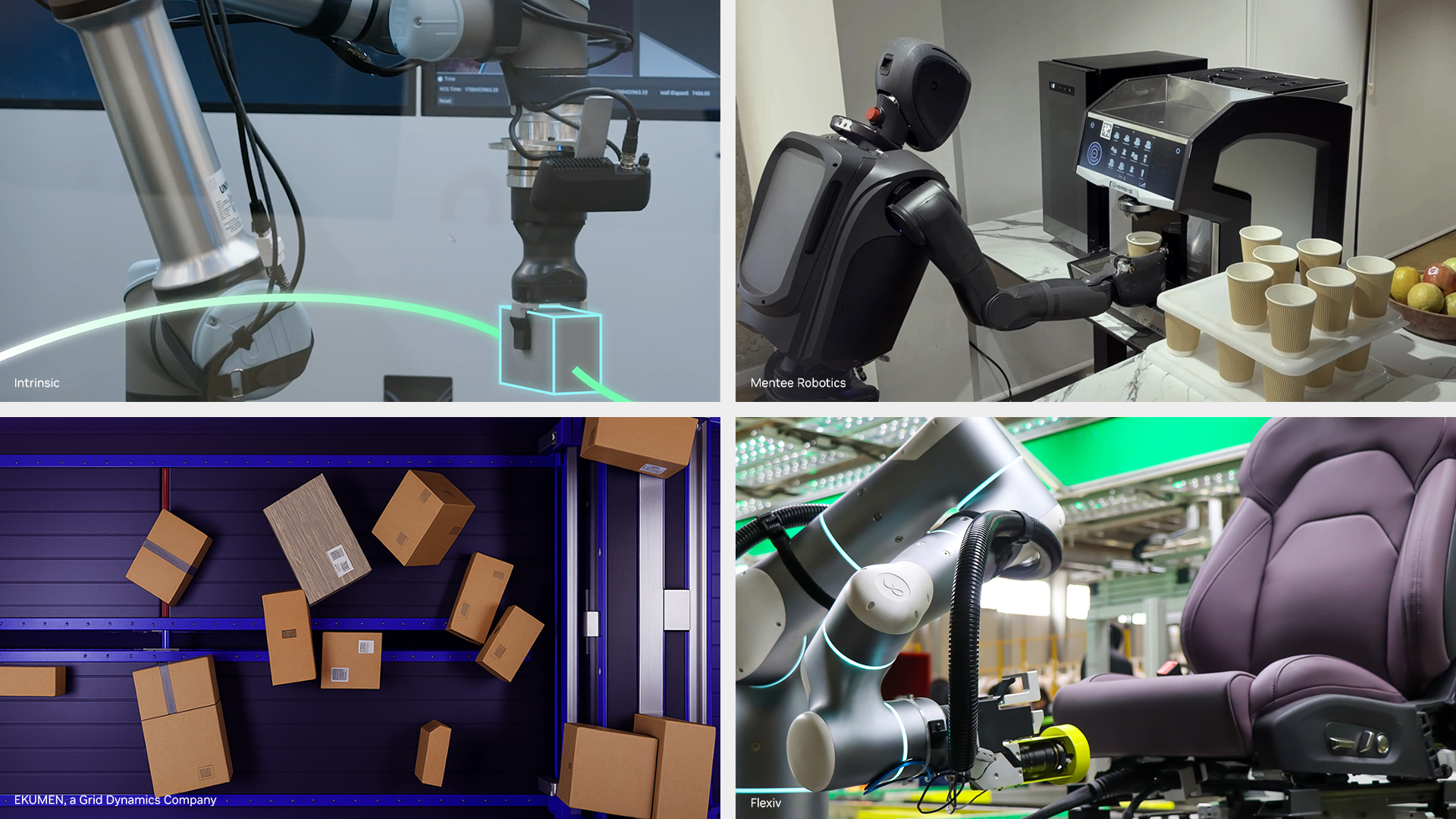
Isaac ROS 5.0 ships at ROSCon with a clear thesis: AI agents help build robots, and Jetson runs what they build — open source, GPU-accelerated, free.

NVIDIA’s tutorial shows an AI agent migrating a ROS 2 node to CUDA-backed buffers — zero-copy where it counts, CPU fallback where it must.
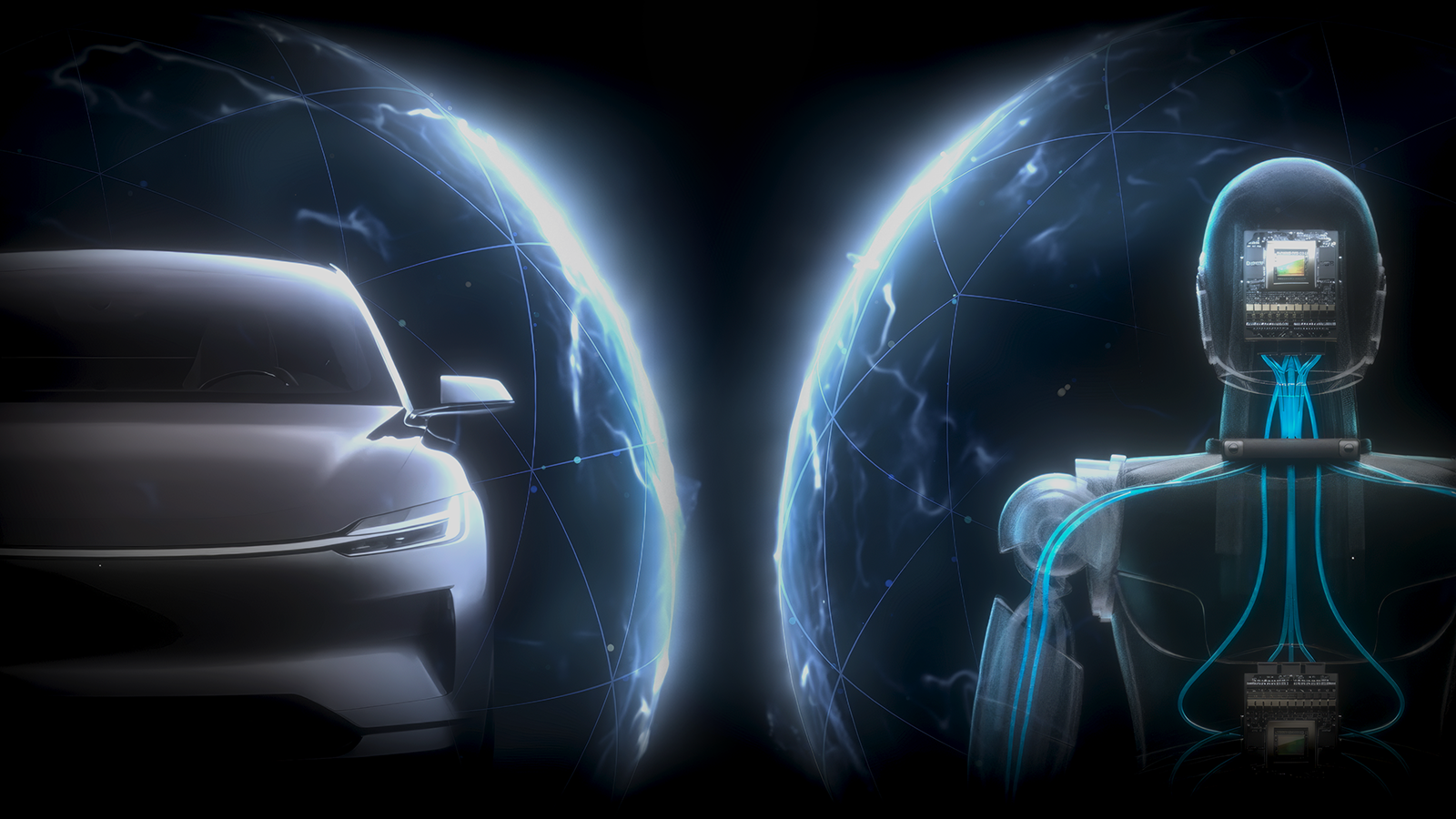
NVIDIA is pitching Halos as full-stack safety for cars and robots — because once AI moves steel and wheels, a model card is not enough.

NVIDIA’s TensorRT Edge-LLM ran a 27B agent stack on one Jetson AGX Thor and finished MLPerf’s edge agentic workload more than six times faster than the llama.cpp reference.

Nvidia Inception’s Les Karpas heads to TechCrunch Disrupt 2026 to argue robotics still lacks its ChatGPT-scale breakthrough—and what’s blocking physical AI’s mass adoption.

Onstage at the All-In Summit, Jensen Huang put President Trump on speakerphone — and Trump called AI slowdown fears a “hoax” while promising robots won’t take over.
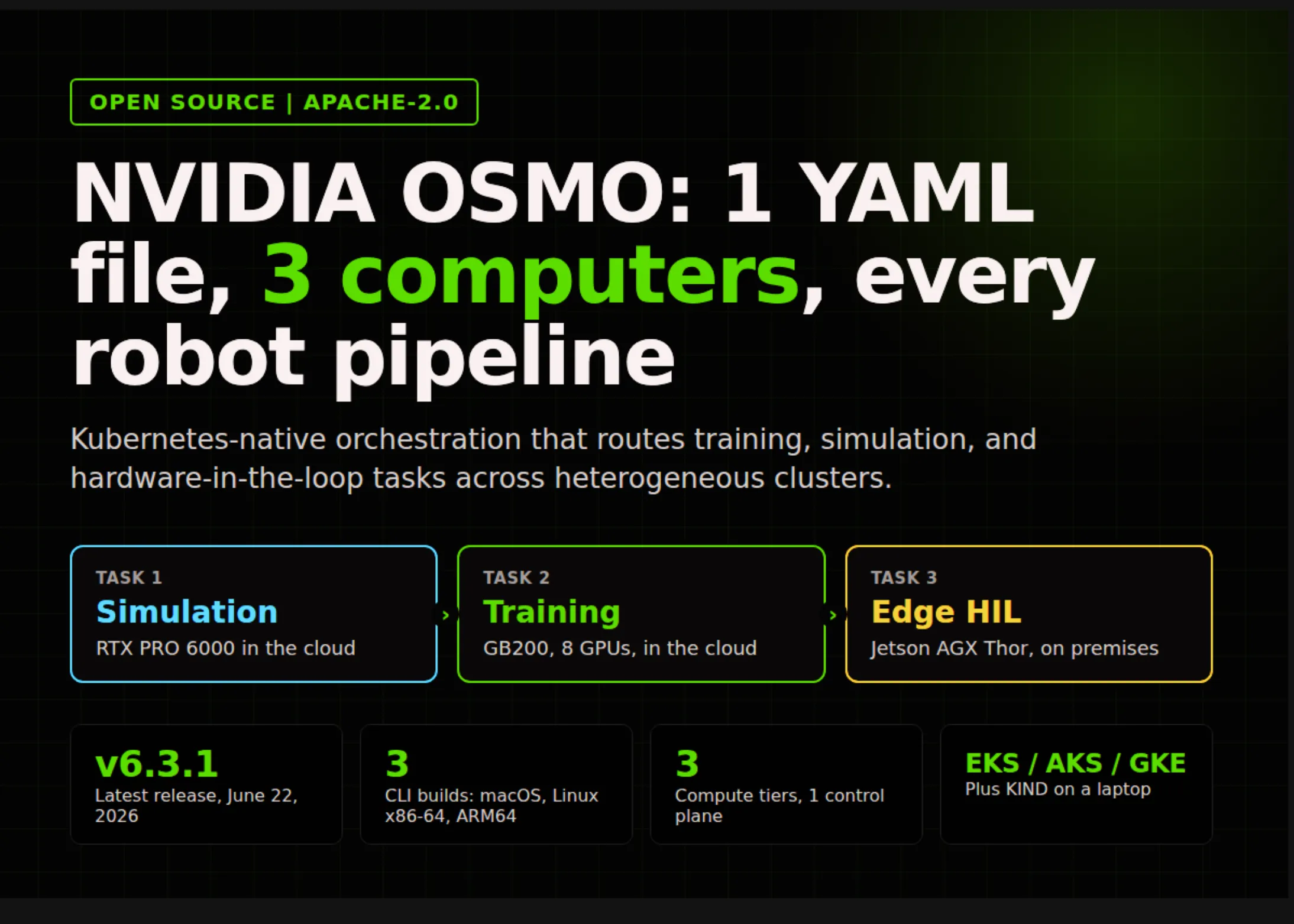
NVIDIA open-sources OSMO, a Kubernetes-native orchestrator that runs robot training, Isaac Sim, and Jetson hardware tests from one YAML across heterogeneous clusters.
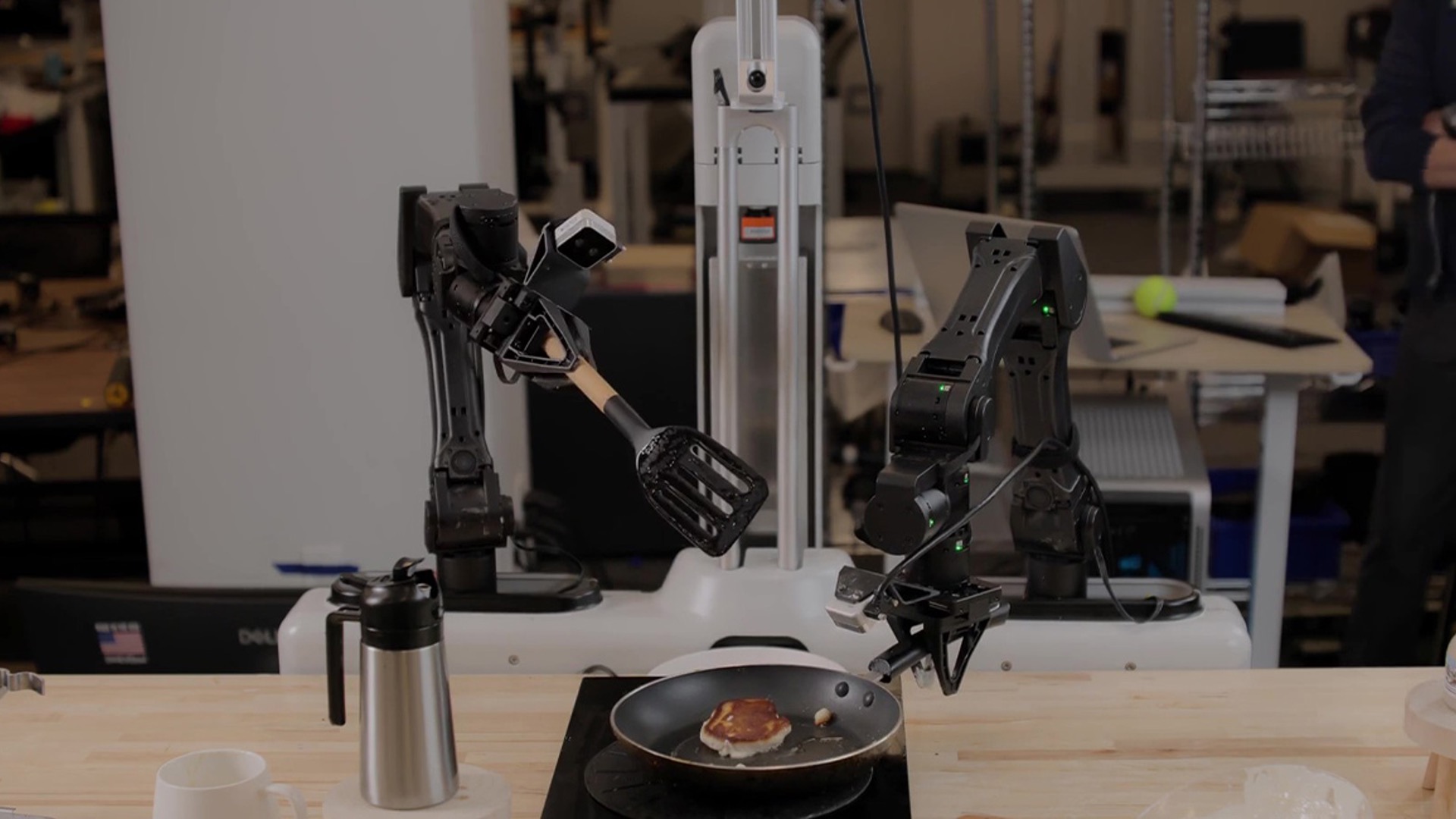
Skild’s S1 foundation model learns long-horizon robot tasks from one video demo — no weight update — and NVIDIA’s physical-AI stack is underneath the training loop.
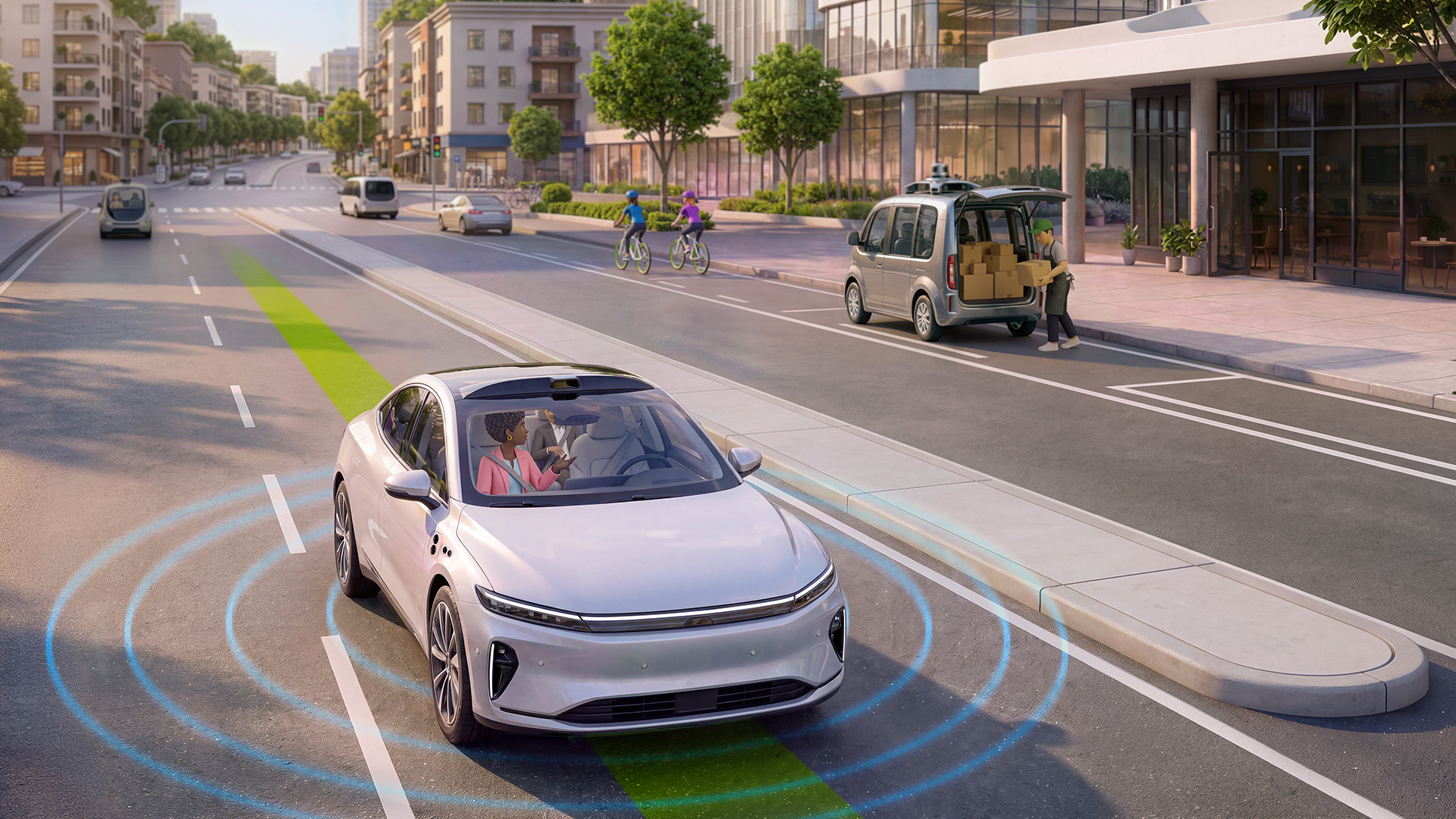
NVIDIA’s three-computer robotaxi stack — train, simulate, drive — is becoming the shared backplane for almost every commercial-scale autonomous fleet program it names.