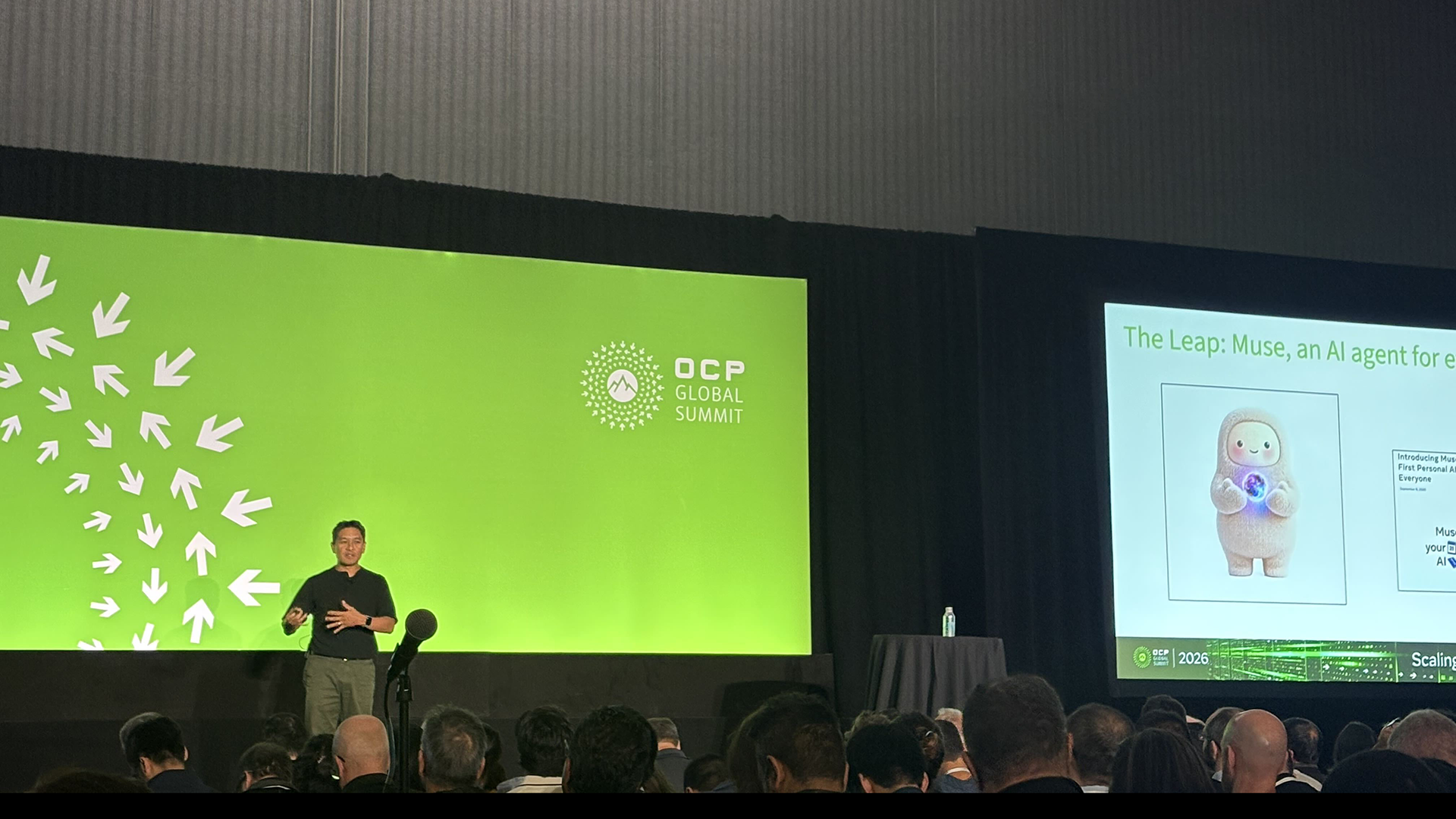
Meta Launches Muse Wonder and Muse Wonder Full: Benchmarks, Pricing and How to Use It
Meta’s Muse Wonder puts a frontier agent model on a public Model API at $4/$20 per million tokens, with Wonder Full gated behind paid Muse Code plans.
Desk
Developer tools, platforms, and product launches.
Meta’s Muse Wonder puts a frontier agent model on a public Model API at $4/$20 per million tokens, with Wonder Full gated behind paid Muse Code plans.

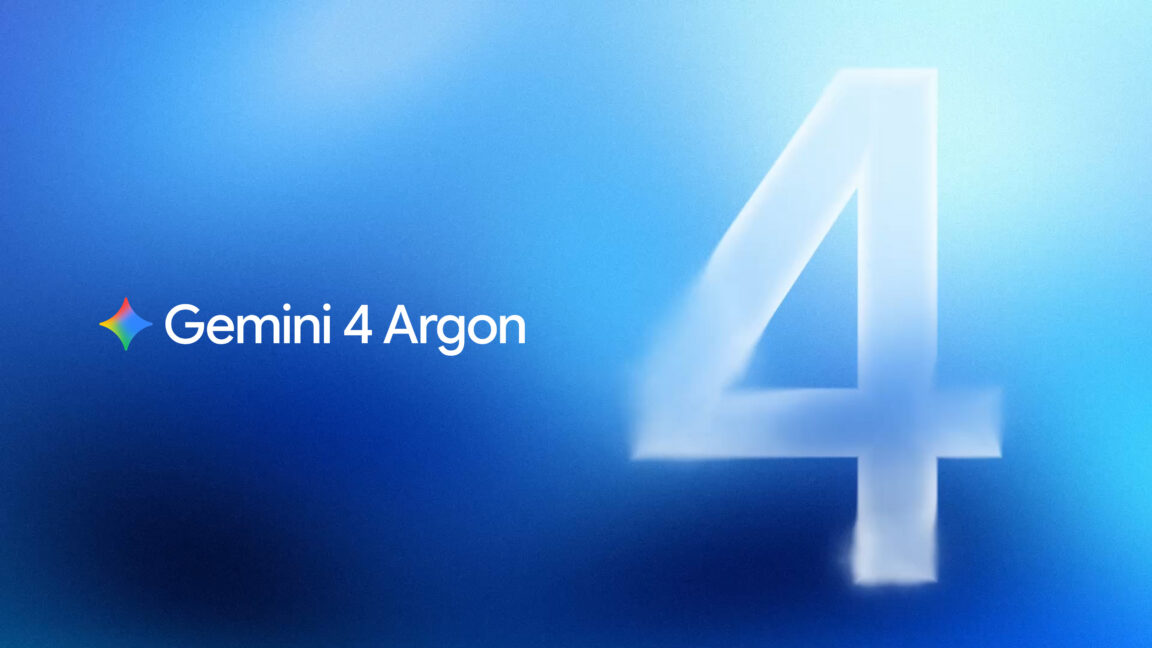
Ars Technica’s consumer angle: Argon is here, but Pro/Ultra only in the app—and Antigravity/AI Studio coding agents need Ultra while API rates are discounted through November.

NVIDIA is open-sourcing the full Run:ai stack as the orchestration layer for DSX AI factories — and eight cloud and platform partners are already wiring it in.

Meta is putting liquid-cooled 102.4T switches, a multiplane fabric, and open Ethernet scale-up designs on the OCP table — the plumbing that has to keep pace with Muse-scale models.

Meta’s Superintelligence Labs is shipping Muse Wonder and Wonder Full into paid Code subscribers, claiming parity with GPT-6 Astra and Claude’s top models—before the agent itself runs on them.
TII's 1.6B Falcon-ASR leads Arabic and Emirati speech benchmarks in the institute's own tests — and ships without weights, a license, or an API, only a sixty-second demo.
Qwen cut its open image model from 40 steps to 8 without shrinking it. Fast, capable and cheap, with one big string attached: the license.
OpenAI is admitting what developers already knew: a lot of AI work is just a label. Its new Decisions API returns the answer, not the essay.
Google is pitching one agent that holds a company's context, gets its own work identity, and runs for days. The governance design is serious; the proof is still mostly anecdote.

Google's universal Gemini agent wants to be a coworker with its own email address, which could genuinely lighten office work and also blurs who is accountable when an agent acts.

Google Labs' Playground turns a text prompt into a playable browser game, and the real question is whether it becomes a creative on-ramp or a firehose of disposable games.

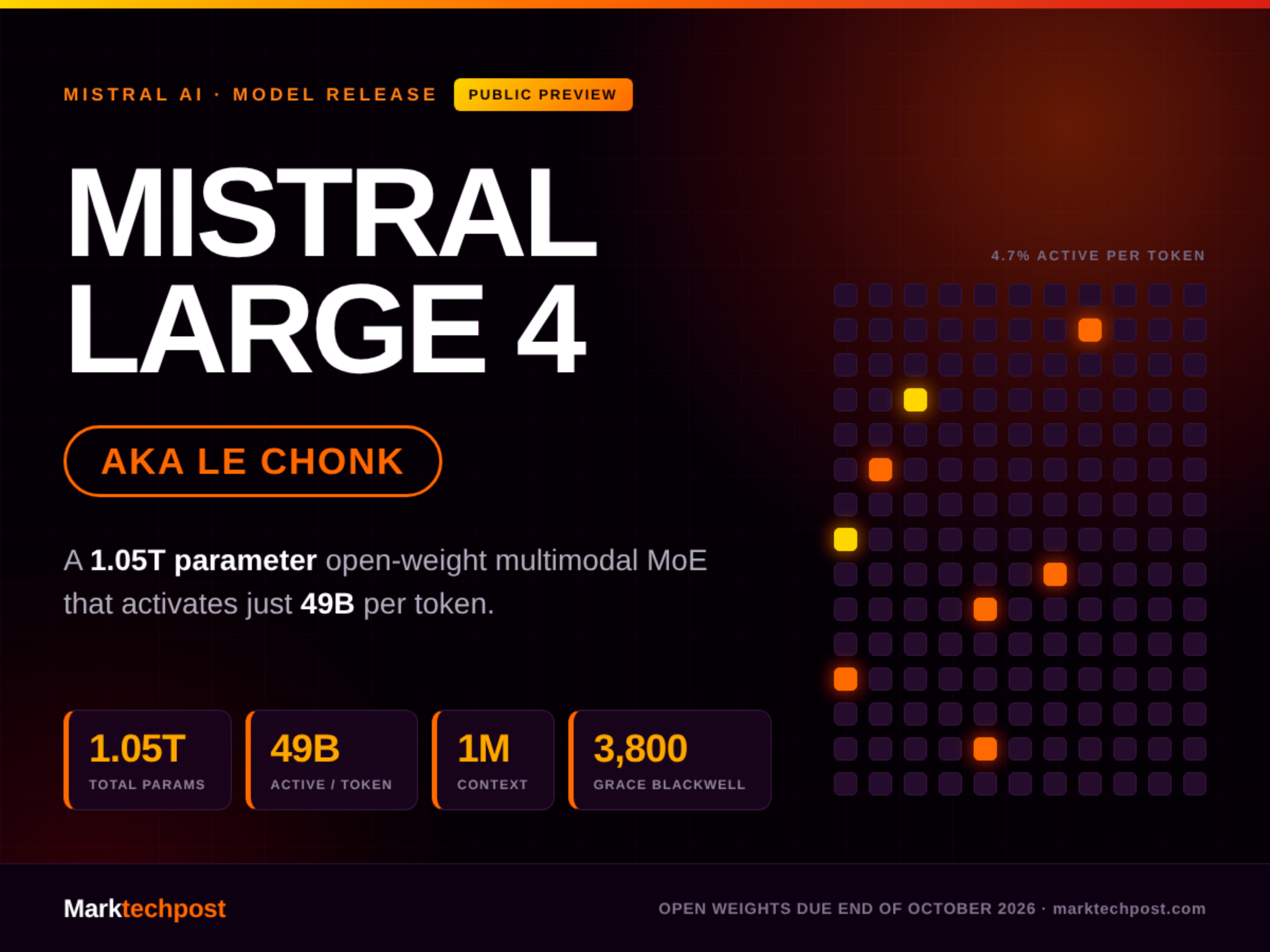
Look past the trillion-parameter headline: Le Chonk's sharpest claim is that it will do defensive security work closed models refuse, and that claim carries both promise and risk.